What is Pecorino? Everything about Italian sheep’s cheese
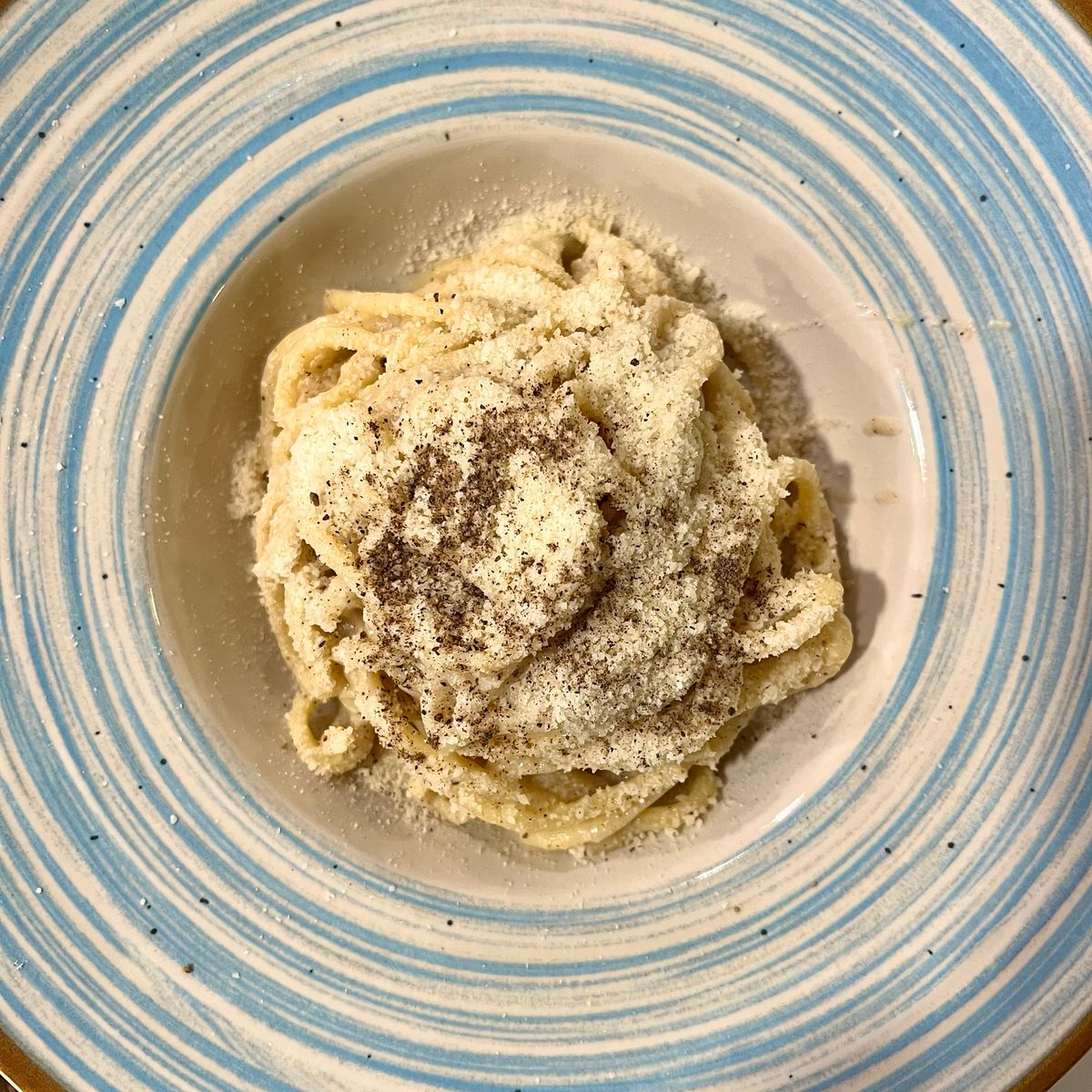
Pecorino is one of Italy's best-known cheeses. This hard sheep's milk cheese is savory, salty and full-flavored, and essential in classics such as pasta cacio e pepe and carbonara. But what exactly is Pecorino, what types are there, and how does it differ from Parmesan? In this blog, you'll learn everything about Pecorino and Pecorino Romano.

What is Pecorino?
Pecorino is the Italian name for sheep's milk cheese. The word comes from pecora, which means sheep. Pecorino is therefore not one specific cheese, but a family of Italian sheep cheeses. They are made in different regions and range from young and soft to hard and long-aged.
What all Pecorino cheeses have in common is sheep's milk. It is richer in fat and protein than cow's milk. As a result, Pecorino has a full, savory flavor with a slightly spicy edge. Read more about the difference between cow, goat and sheep cheese in our blog about goat cheese and sheep cheese.
What is Pecorino Romano?
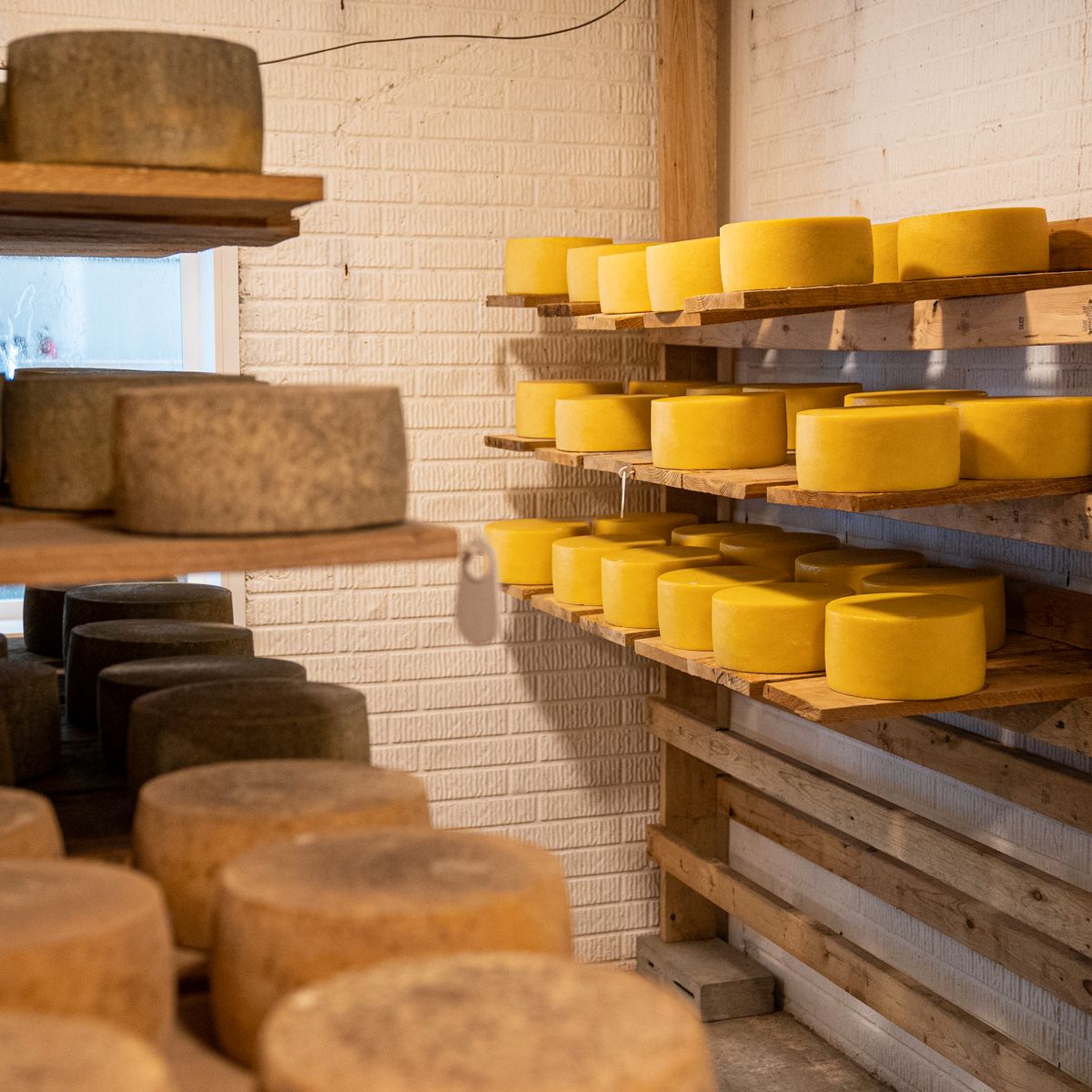
Pecorino Romano is the best-known Pecorino. It is a hard cheese with a protected designation of origin: DOP in Italy, BOB in the Netherlands. Only cheese made according to the rules in Lazio, Sardinia or the province of Grosseto in Tuscany may bear this name. Most Pecorino Romano nowadays comes from Sardinia.
The cheese is made from whole sheep's milk and aged for at least five months. Pecorino Romano for grating is often aged for eight months or longer. During production, the cheese is heavily salted. As a result, Pecorino Romano is saltier than many other cheeses, so you only need a little to get plenty of flavor.
Other types of Pecorino
- Pecorino Toscano – from Tuscany. Often younger and milder, with a softer texture.
- Pecorino Sardo – from Sardinia. There is a soft, young variety and a hard, long-aged variety.
- Pecorino Siciliano – from Sicily. A firm, full-flavored cheese.
Young Pecorino is often eaten in slices or cubes. Aged, hard Pecorino such as Pecorino Romano is mainly used for grating.
Pecorino or Parmesan: what is the difference?
- Milk: Pecorino is made from sheep's milk, Parmigiano Reggiano from cow's milk.
- Aging: Pecorino Romano is aged for at least five months, Parmigiano Reggiano for at least twelve months.
- Flavor: Pecorino is saltier, sharper and more savory. Parmigiano is rounder and nuttier.
Can you substitute one for the other? In most recipes you can, but the dish will taste different. If you use Pecorino instead of Parmesan, add a little less salt to your dish. Read all about Parmesan in our blog about Parmigiano Reggiano.
Pecorino Romano at Kaas & Borrelz
At Kaas & Borrelz you will find Pecorino Romano: an authentic Italian hard cheese made from sheep's milk. It is full-flavored and savory, slightly spicy and salty, and firm and crumbly in texture. A real flavor enhancer in the kitchen.
Do you like sheep cheese but want something milder? Try the Twisca sheep cheese, a creamy Dutch sheep cheese. Or place the Pecorino on the cheese board next to the Parmigiano Reggiano 30 months - Organic and taste the difference for yourself.
How to use Pecorino
- Over pasta: freshly grated Pecorino belongs in classics such as cacio e pepe, carbonara and amatriciana. Grate it with the Trio Formaggio Cheese Grater or the Boska Hand Grater.
- Over salads and soup: a little Pecorino adds a lot of savory flavor.
- In pesto: traditional pesto often contains a mix of Pecorino and Parmigiano.
- On the cheese board: break off chunks with the pointed knife from the 4-piece Cheese Knife Set. Combine the salty cheese with something sweet, such as Fig Jam or Quince Dip, and a handful of Walnuts. Read more combinations in our blog which dip goes with which cheese?
Frequently asked questions about Pecorino
Can you eat Pecorino if you are pregnant?
Pecorino Romano is a hard, long-aged cheese. According to the Netherlands Food and Consumer Research Centre, Listeria cannot grow in hard cheese. Be careful with young, soft Pecorino made from raw milk. Read more in our blog about eating cheese when you are pregnant.
Does Pecorino contain lactose?
Long-aged, hard Pecorino such as Pecorino Romano contains little lactose, because the lactose is broken down during aging. Young Pecorino contains more lactose. Read more in our blog about lactose-free cheese.
Is Pecorino vegetarian?
Usually not. Animal rennet from lambs is used to make Pecorino Romano according to the rules.
Is Pecorino also a wine?
Yes. Pecorino is also the name of a white grape from Central Italy, including the Abruzzo region. A fresh white wine is made from this grape. The wine and the cheese have nothing else in common besides their name.
How do you store Pecorino?
Wrap Pecorino in cheese paper or baking paper and store it in the refrigerator. Grate it just before use. Read more tips in our blog about storing cheese.
Conclusion: savory sheep cheese from Italy
Pecorino is an Italian cheese made from sheep's milk. Pecorino Romano is the best-known: hard, salty and full-flavored, and perfect for grating over pasta. Compared with Parmesan, it is sharper and more savory. Discover Pecorino Romano at Kaas & Borrelz.