What is Comté? Everything about the French mountain cheese and how it differs from Gruyère
Comté is one of France's best-known cheeses. This hard mountain cheese from the Jura is creamy, nutty and slightly fruity, and melts beautifully in a cheese fondue. But what exactly is Comté, how is it made and how does it differ from Gruyère? In this blog you will learn everything about Comté cheese.

What is Comté?
Comté is a hard French cheese made from raw cow's milk. It comes from the Jura Mountains in eastern France, near the Swiss border. The cheese has a protected name: since 1958, only cheese made in this area according to strict rules can be called Comté. Today it has a PDO, a protected designation of origin.
Comté has been made since the twelfth century. Mountain farmers brought their milk together to make large cheeses that had a long shelf life. This is how they got through the long winters. A whole Comté weighs about forty kilos.
How is Comté made?
Comté is made in small, local dairies. In the Jura, these are called fruitières. The milk comes from Montbéliarde and Simmental cows from the area, which graze on the mountain pastures in summer. The milk is not pasteurised, but processed raw.
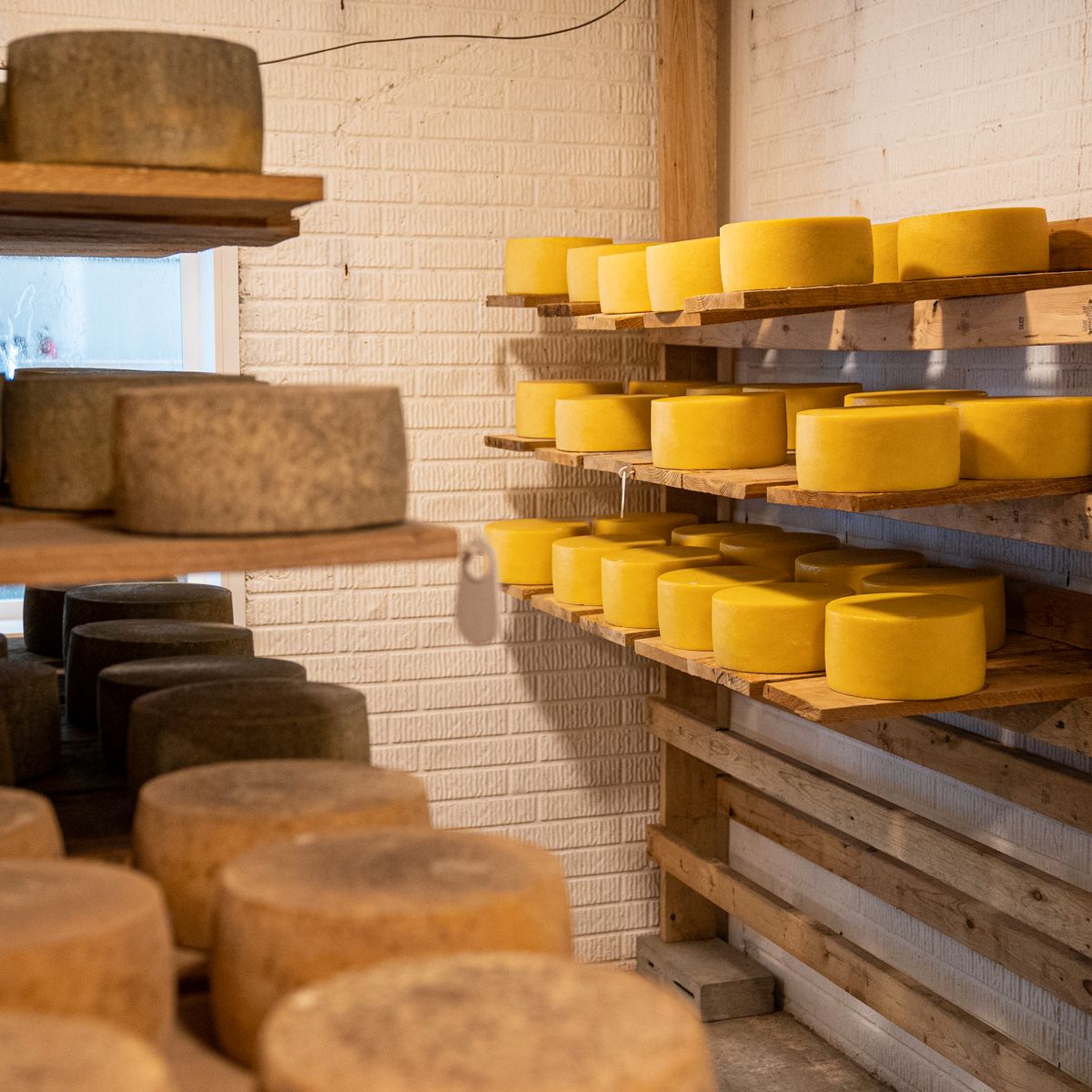
After making and brining, the cheese ages for at least four months in cellars. Many Comté cheeses age for much longer, a year or even more. During ageing, the cheese is regularly turned and rubbed with brine. This creates a firm natural rind. Read more about rinds in our blog about the rind of cheese.
What does Comté taste like?
The taste of Comté depends on its age and even the season:
- Young Comté (from 4 months) is creamy and mild, with notes of milk and butter.
- Mature Comté (around 12 months) is fuller and nuttier, with a slightly fruity taste.
- Aged Comté (18 months or longer) is powerful and complex, often with crunchy cheese crystals.
Those crystals are not salt, but form during ageing. Read all about them in our blog about white crystals in aged cheese.
Comté or Gruyère: what is the difference?
Comté and Gruyère are often confused. In the past, Comté was even sometimes called 'gruyère de Comté'. However, they are two different cheeses:
- Country: Comté comes from France, Gruyère from Switzerland, from the area around the town of Gruyères.
- Milk: both are made from raw cow's milk.
- Taste: Comté is often nutty and slightly fruity. Gruyère is usually a bit more powerful and piquant.
In the kitchen, you can use them interchangeably. Both melt beautifully and are delicious in a fondue or casserole.
Comté at Kaas & Borrelz
At Kaas & Borrelz you will find the Comté Gruyère mountain cheese: a French Comté PDO from the Jura. It is artisanally made from raw cow's milk and aged for at least four months. The result is a full, nutty taste with subtle fruity notes.
You can cut Comté beautifully into slices with the Hard Cheese Knife or into cubes with the Dutch Cheese Knife. Want to grate it for a gratin? Then use the Trio Formaggio Cheese Grater.
How to use Comté
- In a cheese fondue: Comté is a classic in fondue. It melts creamy and smooth. With the Party Mini Fondue Set or the Tapas Mini Fondue Set you can easily make a cosy fondue.
- In the oven: grate Comté over a potato gratin or casserole for a golden-brown crust.
- On bread: delicious in a croque monsieur or simply on fresh bread.
- On the cheese board: in cubes with a handful of Walnut and a few drops of Balsamic Cinnamon Sauce. Place a Tête de Moine curled cheese next to it: that also comes from the Jura Mountains. Also read our blog about Tête de Moine.
Frequently asked questions about Comté
Can you eat Comté if you are pregnant?
Comté is made from raw milk, but it is a hard, aged cheese. According to the Netherlands Nutrition Centre, listeria cannot grow in hard cheese, even if it is made from raw milk. Read more in our blog about eating cheese when you are pregnant.
Does Comté contain lactose?
Comté contains little lactose, because the lactose is broken down during ageing. The older the cheese, the less lactose. Read more in our blog about lactose-free cheese.
Is Comté vegetarian?
Usually not. Comté is traditionally made with animal rennet.
Can you eat the rind of Comté?
The rind is a natural rind and therefore edible, but it is very hard. It is better to cut it off or let it soften in soup.
How do you store Comté?
Wrap Comté in cheese paper or baking paper and store it in the refrigerator. Take it out of the refrigerator half an hour before serving, then you will taste the flavour best. Read more tips in our blog about storing cheese.
Conclusion: nutty mountain cheese from the Jura
Comté is a French mountain cheese made from raw cow's milk from the Jura. It is creamy, nutty and slightly fruity, and becomes increasingly powerful as it ages longer. Comté resembles Gruyère, but comes from France and is often a bit milder. Discover Comté at Kaas & Borrelz and use it in fondue, gratin or on the cheese board.