White mold cheese or red flora: what is the difference?
White mold cheese and red flora cheese are both soft cheeses with an edible rind. Yet they are two very different types of cheese. One has a white, velvety rind, the other an orange to reddish-brown rind with a pronounced aroma. In this blog you will read what the difference is and how to serve them at their tastiest.

What is white mold cheese?
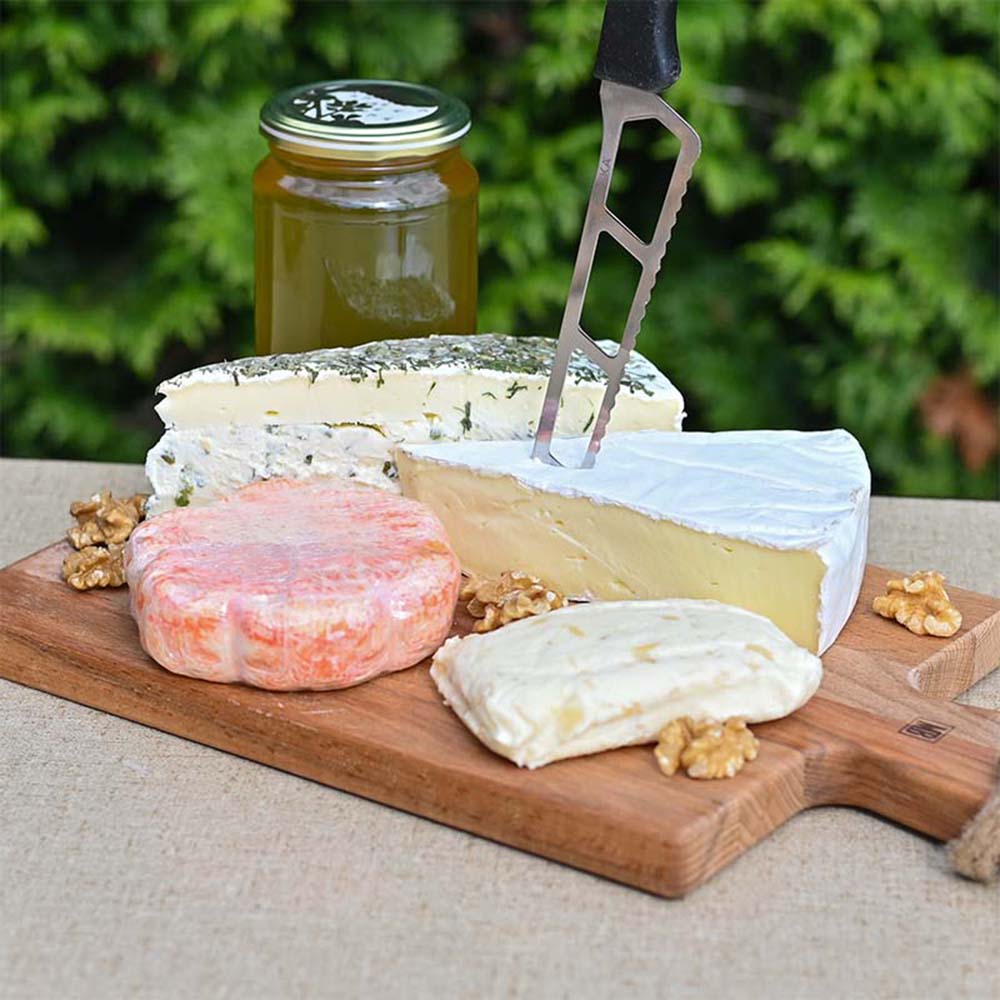
White mold cheese is a soft cheese with a rind of noble white mold. This mold is added during cheese making and grows during ripening as a white, velvety layer around the cheese. The mold ripens the cheese from the outside in. As a result, the cheese becomes increasingly soft and creamy.
White mold cheese is mild and creamy in taste, with a fresh, slightly mushroom-like aroma. Brie and camembert are the best-known white mold cheeses.
What is red flora cheese?
Red flora cheese has an orange to reddish-brown rind. This color does not come from mold, but from bacteria. During ripening, the cheese is regularly washed or rubbed with brine. As a result, special bacteria grow on the rind, which give the cheese its color, aroma and taste.
Red flora cheese has a pronounced aroma. But do not let that deter you: the taste is often milder than the aroma suggests. Creamy, powerful and slightly piquant.
The difference at a glance
- Rind: white mold is white and velvety. Red flora is orange to reddish-brown.
- How is it created? White mold through noble white mold. Red flora because the cheese is washed or rubbed.
- Taste: white mold is mild and creamy. Red flora is more powerful and slightly piquant.
- Aroma: white mold smells fresh and mushroom-like. Red flora smells pronounced.
White mold and red flora at Kaas & Borrelz
- Room Brie: a French brie made from cow's milk with extra cream. Extra creamy, mild and slightly buttery.
- Brie Chives: creamy brie with fresh chives. Fresh and slightly spicy.
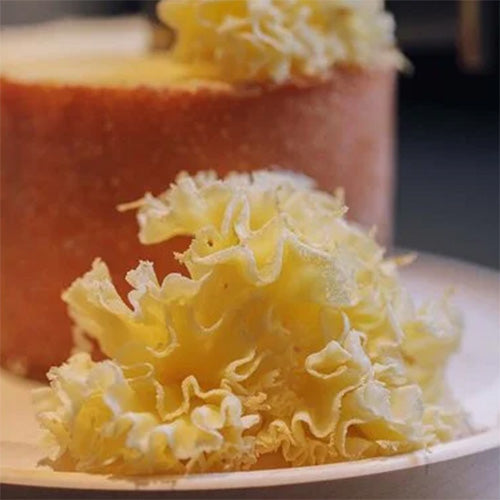
- Petit Tourtain red flora cheese: a French cheese made from pasteurized cow's milk in the shape of a flower. It combines white mold and red flora: creamy and mild, with a subtle spiciness.
How to enjoy white mold and red flora
- At room temperature: take the cheese out of the refrigerator an hour beforehand. This way it becomes creamy and you can taste more.
- Eat the rind too: the rind is part of the taste and is simply edible. Read more in our blog about the rind of cheese.
- Just in the oven: warm brie with Fig Jam is a party. Serve with Rosemary Crackers or bread.
- With a dip: brie and Cranberry Sauce, or Petit Tourtain and Quince Dip: a golden combination. Read more combinations in our blog which dip suits which cheese?
Storing white mold and red flora
Store soft cheese in the refrigerator, separately wrapped in cheese paper or in its own packaging. This way other cheese does not take over the aroma. Note: these cheeses continue to ripen and become increasingly soft and stronger. Therefore, eat a cut cheese within a few days. Read more tips in our blog about storing cheese.
Frequently asked questions about white mold and red flora
Is the white mold on brie healthy?
Yes, the white mold on brie is a noble mold that is specially added. It is edible and belongs to the cheese. Also read our blog about blue cheese, another cheese with noble mold.
Why does red flora cheese smell so strong?
The aroma comes from the bacteria on the rind. They break down proteins, releasing aromatic compounds. The cheese itself often tastes milder than it smells.
Can you eat white mold cheese if you are pregnant?
Read our blog about eating cheese when you are pregnant or ask your midwife.
What is the difference between brie and camembert?
Both are French white mold cheeses made from cow's milk. Brie is a large, flat cheese and usually mild and creamy. Camembert is smaller and thicker, and often has a slightly more powerful taste.
Is the orange rind of red flora cheese edible?
Yes. The orange to reddish-brown rind of red flora cheese is simply edible and belongs to the taste. Read more in our blog about the rind of cheese.
Conclusion: white and velvety or orange and powerful
White mold cheese has a white, velvety rind and a mild, creamy taste. Red flora has an orange rind, a pronounced aroma and a more powerful taste. Both are delicious on the snack platter. Discover brie and red flora at Kaas & Borrelz.